
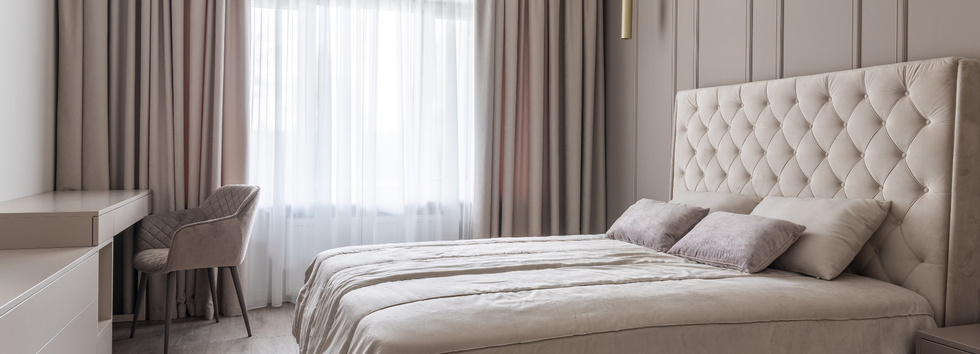
Daily room cleaning in hotels is essential to maintain cleanliness and create comfortable conditions for guests. It's not just the work of housekeepers—it's a structured ritual documented in Standard Operating Procedures (SOPs). These SOPs define the algorithms for daily routine cleaning in hotels, including staff appearance requirements, workflow sequences, and quality control measures.
Daily room cleaning in hotels involves maintaining cleanliness in all areas used by guests on a daily basis. It is performed according to established standards and includes regular servicing of rooms, bathrooms, floors, beds, and equipment checks.
Each of these cleaning types is regulated by internal standards—SOPs (Standard Operating Procedures), which establish the workflow and task priorities.
Cleaning a room before guest arrival depends on when it was last cleaned. Sometimes a visual inspection is sufficient, but more often a complete daily cleaning cycle is required.
Depending on the room's condition, the daily cleaning procedure in hotels may include a visual check, light cleaning, or full room preparation according to all standards.
The housekeeper's task is to create the feeling that the guest is checking into an absolutely clean, previously unused room. Verification is performed by the supervisor, who confirms the room's readiness.
Routine cleaning in hotels is performed in rooms where guests are already staying. It's a delicate process where not only tidying up matters but also preserving the guest's sense of privacy. The housekeeper must work professionally, carefully, and as unobtrusively as possible.
The routine cleaning procedure begins with entering the room. If a "Do Not Disturb" sign hangs on the door, the room is skipped and noted in the report. In all other cases, the housekeeper must follow the standard: knock politely, introduce themselves, obtain permission to enter, and only then begin work.
Cleaning includes standard tasks: making the bed, changing towels when needed, bathroom cleaning, ventilating, removing trash, wiping surfaces, and a quick check of equipment functionality. All this should be done as discreetly as possible, since the guest may be in the room during cleaning.
Strict adherence to the routine cleaning procedure in hotels helps maintain high standards of cleanliness and comfort throughout the guest's stay.
Interim cleaning in hotels, also known as express cleaning, is performed upon individual guest request. This is a quick service format where staff rapidly tidies the room without disrupting the guest's privacy or relaxation rhythm.
Most often, interim room cleaning in hotels is needed during the day when guests briefly leave the room. In these moments, it's important not only to maintain cleanliness standards but also to complete the work within a short timeframe. The housekeeper removes trash, freshens the bathroom, neatly makes the bed, replenishes toiletries, and ventilates the room.
The workflow and priorities are always regulated by SOPs. Regardless of urgency, express cleaning in hotels must follow the same standards for courtesy and room entry as any other form of cleaning. The "Do Not Disturb" sign still means no entry.
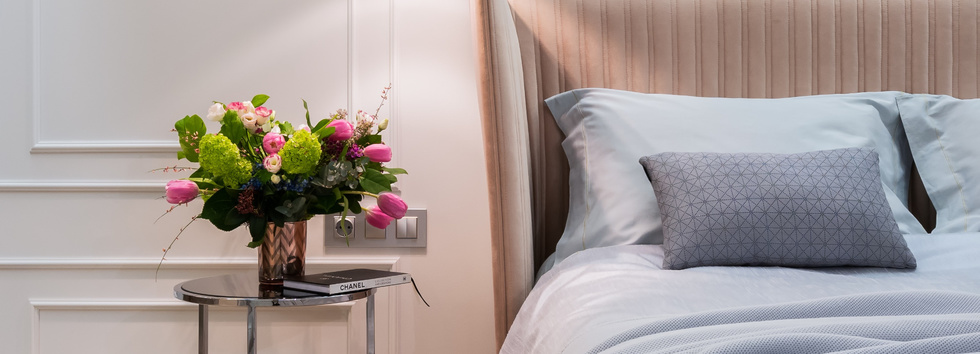
Evening turndown service in hotels is a special service offered by upscale hotels or properties providing VIP service. Its purpose is to prepare the room for the night, creating a cozy, relaxing atmosphere for the guest.
The housekeeper arrives in the late afternoon and performs a small but important list of tasks: freshen the bathroom, change towels, make the bed, turn down the bedspread, ventilate the room, and sometimes leave a pleasant compliment—from chocolate to a scented candle. Many call this the "ritual of care."
Evening turndown service is not only attention to detail but also a form of control: staff can physically verify that all equipment works, the room is clean, and the guest has no additional needs. Employees performing this work must be polite, unobtrusive, and work as quietly as possible.
Such evening turndown service in hotels becomes an integral part of hospitality and attention to detail, especially in luxury hotels.
Room cleaning after guest checkout in hotels is one of the most responsible stages of housekeeping work. At this point, the room must not just be cleaned but brought to a state as if no one had ever stayed there. This affects the first impression of the next guest.
The cleaning procedure includes: changing bed linens, replacing toiletries, checking equipment, thorough cleaning of all surfaces, and inspecting the condition of furniture, plumbing, and decor. Routine room cleaning in hotels is supplemented by a series of important checks.
The housekeeping staff member must show maximum attention and not overlook any detail that could spoil the impression for the future guest.
Daily cleaning of vacant rooms is also part of housekeeping responsibilities. Even if a room is not currently occupied, it must be in perfect condition and ready to receive a guest at any moment.
This daily routine cleaning in hotels involves visual inspection, ventilation, dust removal, light bathroom cleaning, and mandatory toilet flushing—to avoid marks from stagnant water.
Such details may seem like small things, but they form the overall impression of the hotel and demonstrate how seriously the staff takes their work.
Daily room cleaning in hotels, whether routine, interim, or evening turndown, must be organized clearly and systematically. Following the daily cleaning procedure in hotels established by SOPs helps avoid errors, improve service quality, and create comfort for every guest. Daily cleaning in hotels is not just a standard—it's a guarantee of service quality and guest trust.
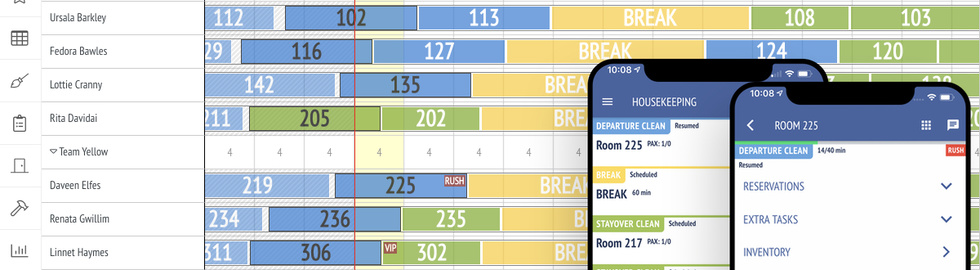
To ensure hotel room cleaning runs precisely, quickly, and without errors, hotels use modern management systems. Our CELLYPSO platform includes:
Learn how automation can improve service at your hotel — more about the solution.