
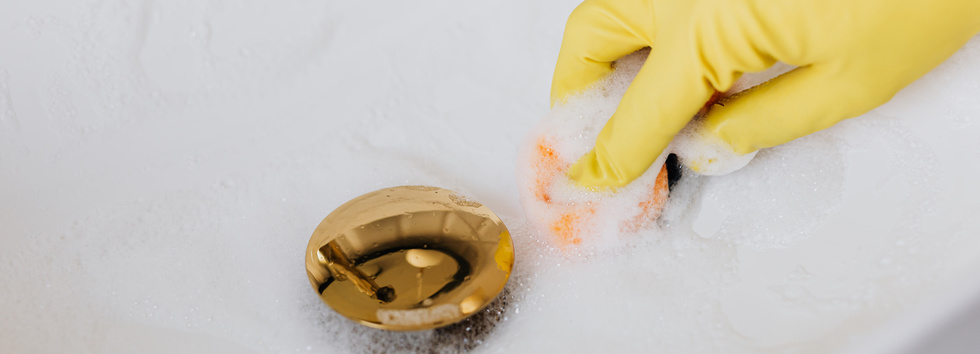
The housekeeping department sits at the heart of any hotel. The different types of cleaning it runs touch every space guests use, from bedrooms to back corridors.
Guests notice cleanliness before almost anything else. Get it right and the good reviews and repeat bookings follow; the owner sees it in both reputation and revenue.
Daily or scheduled cleaning, which includes:
The schedule also covers evening turndown, when housekeepers ready the room for sleep, make the beds, and tidy the bathroom.
Weekly cleaning, which is not required on a regular basis, for example, if a room is vacant for several days.
Periodic or deep cleaning usually happens in the low season, in every hotel, whatever the local climate. It earns the name: furniture gets moved, and rooms are stripped of dust, stains, broken fixtures, and anything else that has built up, until nothing is left untouched.
The work splits into manual methods (brushes, mops, brooms) and mechanical ones that rely on kit like sweepers, vacuums, and polishing machines.
Daily cleaning has to be consistent. Let it slip and standards drop, guests notice, and the hotel's reputation takes the hit.
It is more than wiping surfaces; it is a routine with rules. In hotels those rules live in Standard Operating Procedures (SOPs), which spell out each repeatable step and what's expected of the housekeeper.
Daily room cleaning follows the priority order set in the SOPs.
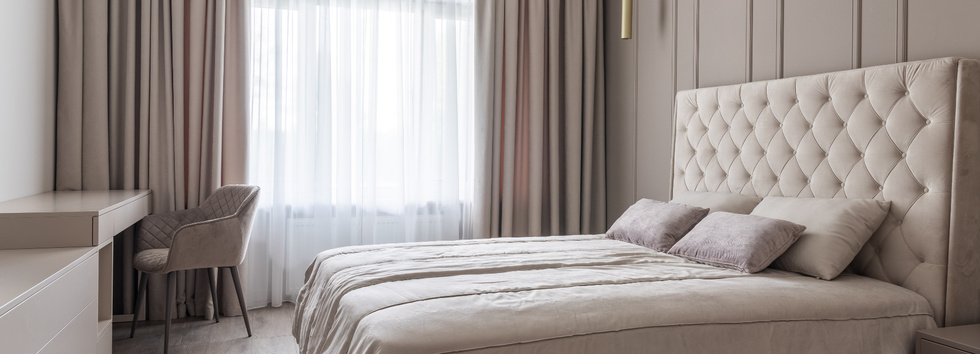
A vacant room is one that has not been rented to a guest and therefore is not occupied or in use.
Before a guest checks in, it's important to perform a visual inspection of the room and clean it if necessary.
It's recommended to flush the toilet daily, as standing water leaves stains.
Prepping a room before check-in is non-negotiable, and it pays to be thorough: it is one of the biggest drivers of a guest's first impression. The aim is for the guest to feel like the room's very first occupant.
How much work a reserved room needs depends on how long it has sat empty. Serviced yesterday? A quick visual check may be enough. Otherwise, run the full daily routine.
Prepping a reserved room and a checkout turnover can be one and the same when a new guest arrives right after the last one leaves.
A readiness checklist goes to the floor supervisor and the housekeeper, and the supervisor signs off that the room is ready for check-in — a step a housekeeping management system logs digitally, flipping the room to ready the moment it passes inspection.
This one happens in occupied rooms, so the priority is to stay as unobtrusive as possible while guests are around.
It's important for the housekeeper to follow all cleaning rules according to SOPs.
Interim, or express, cleaning happens on request: a quick once-over when a room or another area needs tidying in a hurry.
It's important to maintain cleaning priority according to SOPs and adhere to the standard for entering an occupied room — both when a "Do Not Disturb" sign is present and when it's not.

Turndown service (evening cleaning) is both a service for guests to prepare the room for sleep and a form of control since the room's condition can be physically verified.
Evening guest room service is typically provided in luxury hotels (5 stars) or hotels offering VIP guest care, aimed at making guests as comfortable as possible before and during sleep.
Many hotels use this second daily visit by the housekeeper to distribute chocolates, "nightcaps," and other items usually called "give-aways." Evening service staff should be well-presented, efficient, observant, and work as quietly as possible to avoid disturbing guests.
Detailed information about deep cleaning in hotels can be found at the following link:
Deep Cleaning in Hotels