
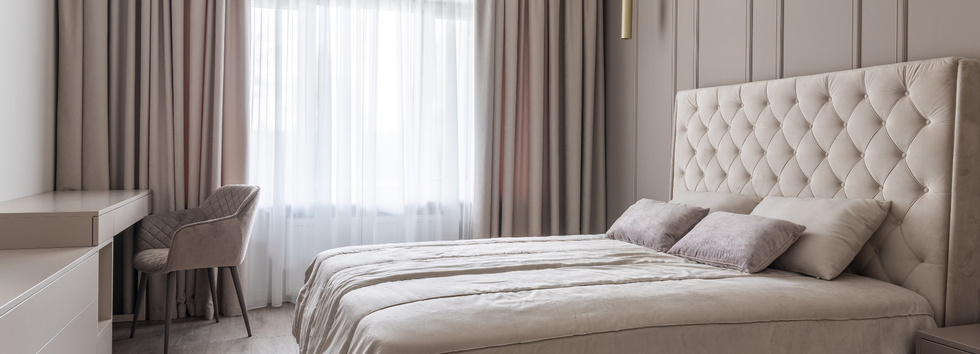
Daily room cleaning is what keeps a hotel comfortable and consistent for every guest. It's more than housekeepers wiping surfaces; it's a structured routine written into Standard Operating Procedures (SOPs). Those SOPs cover the whole job: how staff present themselves, the order each task runs in, and how the result gets checked.
It means keeping every guest-facing space in good order, day in and day out. The work follows set standards and covers rooms, bathrooms, floors, beds, and a check of the in-room equipment.
Each of these is governed by the hotel's SOPs (Standard Operating Procedures), which set the workflow and the order of priorities.
How much a room needs before arrival depends on when it was last serviced. Sometimes a visual check is enough; more often it gets the full daily cycle.
Depending on its condition, that can mean a quick look, a light refresh, or a full prep to standard.
The goal is for the guest to walk into a room that feels brand new, as if no one had stayed there. The supervisor then confirms it's ready.
Routine cleaning happens in rooms where guests are already staying. It's a delicate job: tidying matters, but so does the guest's sense of privacy. The housekeeper works professionally, carefully, and as unobtrusively as possible.
It starts at the door. A "Do Not Disturb" sign means skip the room and note it in the report. Otherwise the standard is simple: knock, introduce yourself, get permission to enter, and only then start.
The tasks are familiar: make the bed, swap towels when needed, do the bathroom, air the room, clear the trash, wipe surfaces, and check the equipment works. All of it done discreetly, since the guest may still be in.
Sticking to that routine is what holds the standard steady across a guest's whole stay.
Interim cleaning, sometimes called express cleaning, happens on individual request. It's a quick once-over that tidies the room without breaking the guest's rhythm.
It's usually needed midday, while a guest is briefly out. The trick is hitting the standard fast: clear the trash, freshen the bathroom, make the bed, top up toiletries, and air the room.
The order of work still comes from the SOPs. However urgent it is, the same courtesy and entry rules apply, and a "Do Not Disturb" sign still means no entry.
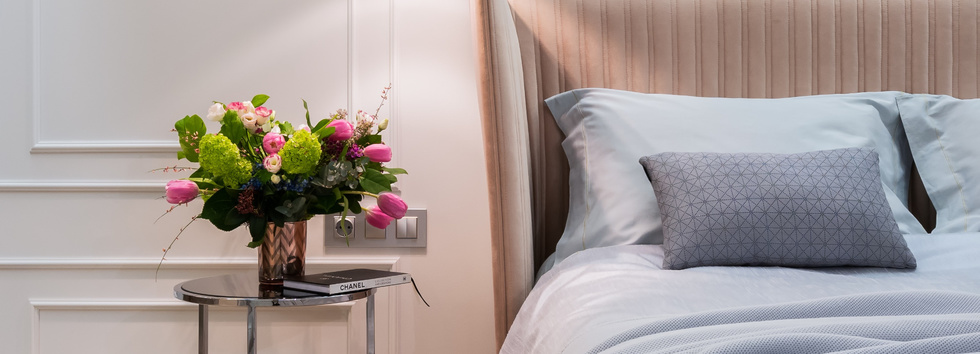
Evening turndown is an extra touch you'll find in upscale and VIP properties. The idea is to ready the room for the night and make it feel calm and welcoming.
The housekeeper comes by in the late afternoon for a short but meaningful list: freshen the bathroom, change towels, make the bed, fold back the bedspread, air the room, and sometimes leave a small compliment, from a chocolate to a scented candle. Many call it the "ritual of care."
It's also a quiet checkpoint: staff can confirm the equipment works, the room is clean, and the guest needs nothing more. Whoever does it should be polite, unobtrusive, and quiet.
In luxury hotels especially, that small evening visit becomes part of what guests remember.
Checkout cleaning is one of the highest-stakes parts of the job. The room can't just be clean; it has to look untouched, because it sets the next guest's first impression.
The procedure: strip and change the linens, replace toiletries, check the equipment, clean every surface thoroughly, and inspect the furniture, plumbing, and decor. On top of the usual tasks come a few important checks:
The housekeeping staff member must show maximum attention and not overlook any detail that could spoil the impression for the future guest.
Vacant rooms get attention too. An empty room still has to be ready to take a guest at a moment's notice.
That means a visual check, airing out, dusting, a light bathroom refresh, and flushing the toilet, since standing water leaves marks.
Such details may seem like small things, but they form the overall impression of the hotel and demonstrate how seriously the staff takes their work.
Daily room cleaning, whether routine, interim, or an evening turndown, has to run in a clear, systematic way. Following the SOPs cuts mistakes, lifts service quality, and keeps every guest comfortable. Done right, it isn't just a standard to hit; it's what earns a guest's trust.
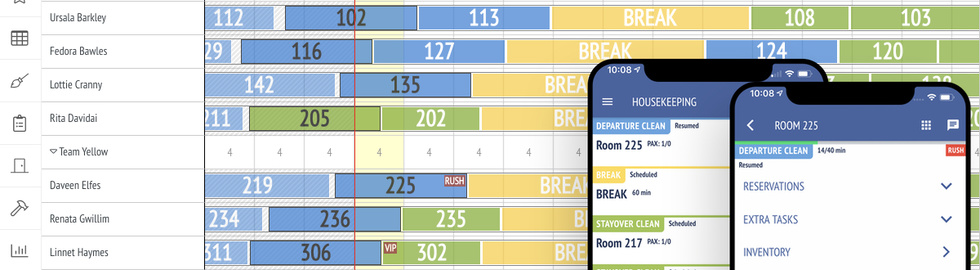
To keep all this running precisely and without slip-ups, hotels lean on modern management systems. The CELLYPSO platform includes:
Learn how automation can improve service at your hotel — more about the solution.