
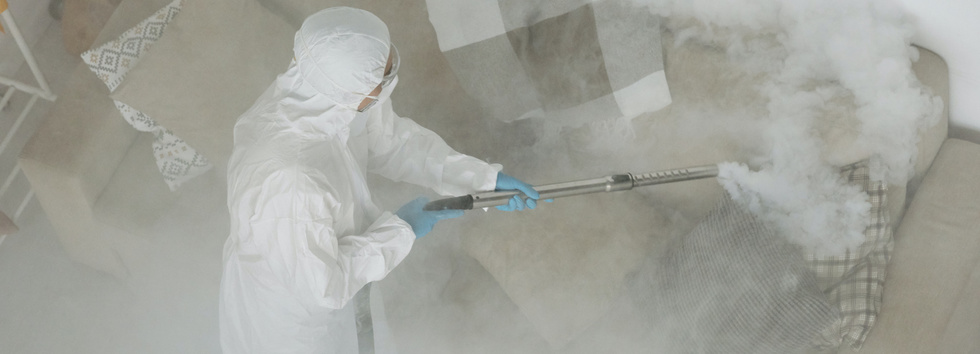
Deep cleaning is the heavy-duty end of housekeeping: a thorough reset that gets into the furniture, fittings, windows, floors, and walls a daily service never touches.
It tackles the jobs one housekeeper simply can't manage during a normal room turnaround.
The work runs in both guest rooms and the public areas across the property.
Because a proper deep clean takes far longer than a routine service, many hoteliers schedule it for the low season and close whole floors or sections so guests aren't disturbed.
If it has to happen in high season, do a block of adjacent rooms at once. That creates a natural "noise buffer" and keeps the disruption from gear like steam cleaners contained.
How often you need it depends on how hard the rooms and their contents get used, and it shifts with the weather and the quality of day-to-day upkeep. Under normal operations, plan on every 6-8 weeks.
That's the traditional approach, and it does mean pulling rooms out of inventory for a while.
There's a better way to schedule it without losing bookings: put one person on the job full-time and nothing else.
On a five-day week at one room a day, that's 20 rooms a month. For a mid-sized hotel, each room then comes round for a deep clean every 3-4 months.
That setup has real advantages:
The steps and their order should live in the SOPs and match the standards the housekeeping manager sets.
Train the team for it, so rooms and public areas come out consistent every time.
Supervisors should track which rooms have been done and when, to keep the cycle regular — a job the CELLYPSO Housekeeping system handles by logging the last deep-clean date for every room.
A manager signs off the finished work, usually the floor supervisor or housekeeping supervisor.
Example: SOP - Deep Cleaning of Hotel RoomHousekeeping assistants may be brought in when furniture needs to be moved or several rooms need thorough dusting. A housekeeping assistant can support multiple housekeeping staff members.