
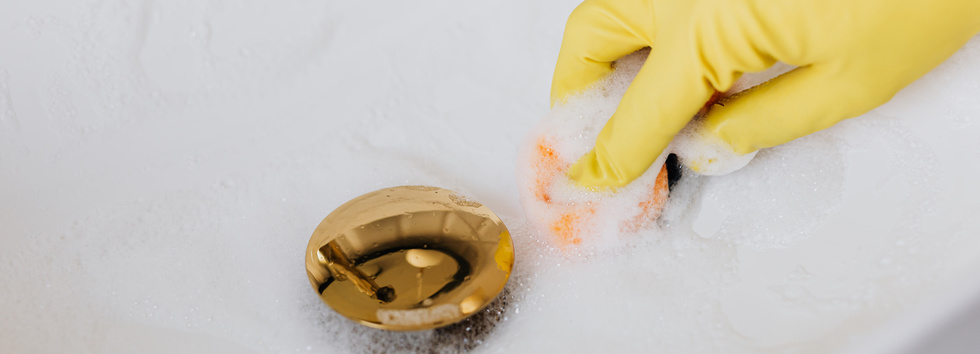
The housekeeping department is a crucial part of the hospitality industry. The various types of hotel cleaning are central to operations, affecting all areas where guests stay and work.
When guests are satisfied with the service and cleanliness, the hotel owner receives not only positive reviews but also increased profits. Cleaning is the first thing guests notice. The cleaner, more comfortable, and pleasant the rooms are, the more likely guests are to return again and again.
Daily or scheduled cleaning, which includes:
Scheduled cleaning also includes evening turndown service, when housekeepers prepare the room for sleep, make the beds, and tidy up the bathroom.
Weekly cleaning, which is not required on a regular basis, for example, if a room is vacant for several days.
Periodic or deep cleaning is performed during the low season and takes place in hotels regardless of the regional climate. This type of hotel cleaning is often called deep cleaning because afterward, no area should remain uncleaned — furniture is completely moved, and guest rooms are freed from dust, stains, broken fixtures, and other unwanted debris.
Cleaning is divided into manual cleaning using brushes, mops, and brooms, and mechanical cleaning using various devices such as sweeping machines, vacuums, and cleaning and polishing machines.
Daily hotel cleaning must be performed consistently to maintain cleanliness and create comfortable conditions for guests. Otherwise, negative attitudes toward staff may develop, and the hotel's reputation may suffer.
Cleaning is not just housekeepers' work but an entire ritual that requires following certain rules. In the hotel business, these are Standard Operating Procedures (SOPs), which establish repetitive actions — both the daily cleaning process and requirements for housekeepers.
Daily room cleaning in hotels is performed according to the priority sequence established in the SOPs.
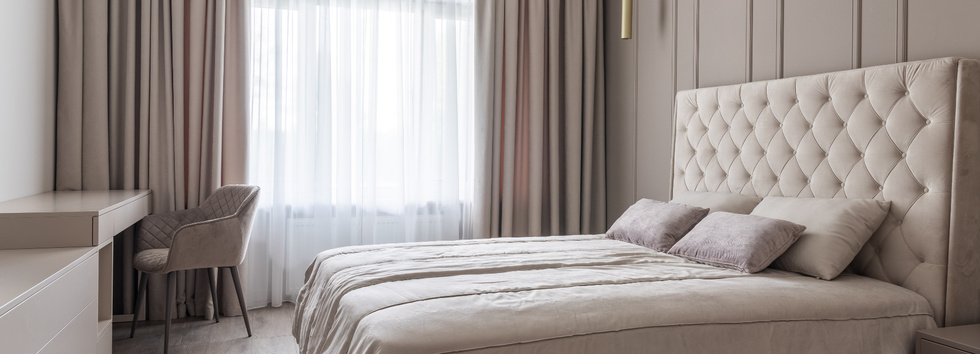
A vacant room is one that has not been rented to a guest and therefore is not occupied or in use.
Before a guest checks in, it's important to perform a visual inspection of the room and clean it if necessary.
It's recommended to flush the toilet daily, as standing water leaves stains.
Cleaning the room before check-in is a mandatory task for housekeepers and must be done with great care, as this is one of the main factors affecting the guest's impression of the hotel stay. The housekeeper's task is to clean so that the guest feels like the room's first occupant — as if no one lived there before.
Cleaning reserved rooms is done before guests check in and depends on how long the room has been vacant. If the room was serviced the previous day, only a visual inspection may be needed to ensure it's clean. Otherwise, daily routine room cleaning steps must be performed.
Cleaning a reserved room and checkout cleaning can mean the same thing if a new guest checks in immediately after another guest checks out.
The room readiness checklist is given to the room supervisor and cleaning staff (housekeeper). The supervisor verifies the room is ready for check-in.
This type of cleaning is performed in occupied rooms. During routine cleaning, it's very important that the process is as unobtrusive as possible for guests.
It's important for the housekeeper to follow all cleaning rules according to SOPs.
Interim or express cleaning of a hotel room is performed at the guest's request. Express cleaning means quick cleaning when rooms or other hotel premises need to be urgently tidied.
It's important to maintain cleaning priority according to SOPs and adhere to the standard for entering an occupied room — both when a "Do Not Disturb" sign is present and when it's not.
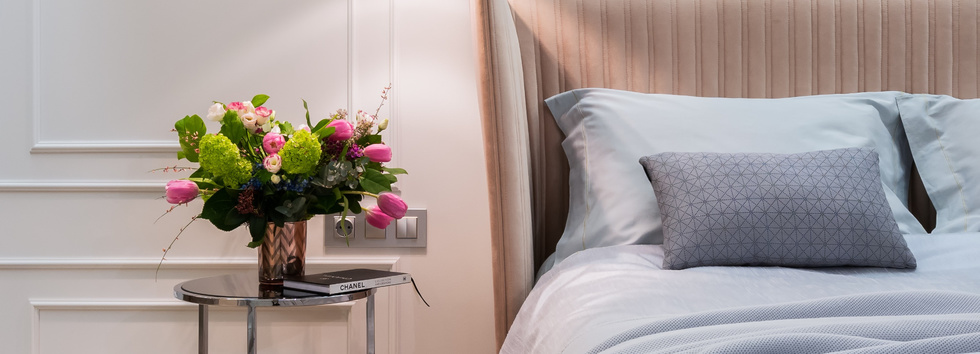
Turndown service (evening cleaning) is both a service for guests to prepare the room for sleep and a form of control since the room's condition can be physically verified.
Evening guest room service is typically provided in luxury hotels (5 stars) or hotels offering VIP guest care, aimed at making guests as comfortable as possible before and during sleep.
Many hotels use this second daily visit by the housekeeper to distribute chocolates, "nightcaps," and other items usually called "give-aways." Evening service staff should be well-presented, efficient, observant, and work as quietly as possible to avoid disturbing guests.
Detailed information about deep cleaning in hotels can be found at the following link:
Deep Cleaning in Hotels