
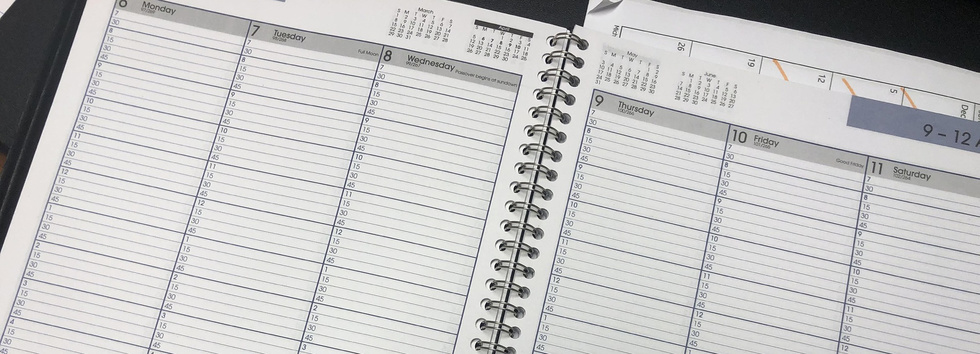
The hotel cleaning schedule is a key element in ensuring cleaning quality and overall service level. It is created considering not only the number of rooms but also check-in and check-out times, hotel occupancy, and room category specifics. Thoughtful creation of the hotel cleaning schedule allows for optimal task distribution among staff and increases housekeeping efficiency.
There are many factors that influence the room cleaning schedule in hotels. First and foremost are hotel occupancy and the average number of check-outs/check-ins per day.
Daily planning depends on:
All these parameters are considered when creating an individual plan and hotel cleaning schedule.
Depending on room status and guest stay duration, different cleaning types are applied. This directly affects time and resource distribution in the schedule.
Each type requires different levels of attention and time. Therefore, it's important to consider not only room count but also the specifics of planned cleanings when distributing tasks among staff.
After determining cleaning type and room specifics, the next step is distributing responsibility zones among staff. Hotels use the section approach for this.
Each floor or part of it is divided into sections, with housekeepers assigned to each. This approach simplifies control, increases quality stability, and allows staff to better orient themselves in their zone.
When forming sections, logistics (e.g., proximity to utility rooms and elevators), room type, and occupancy density are considered.
Example: A floor with 30 rooms can be divided into three sections — by the elevator, central, and far. Each contains 10-12 rooms of different categories. The housekeeper assigned to a section knows the specifics of their rooms, regular guests' preferences, and technical cleaning features.
Determining the exact number of housekeepers is not a simple task. It's wrong to assume you can simply divide the number of rooms by a "norm." This approach can lead to staff overload or inefficient expenses.
Actual staffing needs depend on many factors:
On average, one housekeeper cleans 12 to 14 rooms per shift. Here, 12-13 rooms is a realistic standard for quality work. Exceeding this inevitably affects cleaning thoroughness.
The key to success is not making staff work more, but setting up processes smarter.
For load calculation, the points system and productivity factor is increasingly used, accounting for cleaning type, room type, and even guest behavior.
In a hotel operating daily without breaks, there's always a need for staff substitution: vacations, sick days, flexible days off. The Swing Team is formed exactly for this purpose — a team of universal housekeepers not assigned to any specific section.
First, main teams are created, for example:
Each team works 5 days per week. The remaining 2 days are covered by the Swing Team:
Usually 2 swing teams are formed, each covering 2 days per week on rotation.
Having a reserve team:
Below is an example of a weekly schedule for four main teams and two reserve teams:
| Team / Day | Monday | Tuesday | Wednesday | Thursday | Friday | Saturday | Sunday |
|---|---|---|---|---|---|---|---|
| Team 1 | Off/ST-1 | Off/ST-1 | |||||
| Team 2 | Off/ST-1 | Off/ST-1 | |||||
| Team 3 | Off/ST-2 | Off/ST-2 | |||||
| Team 4 | Off/ST-2 | Off/ST-2 | |||||
| Laundry | Off/ST-1 | Off/ST-2 | |||||
| Swing Team 1 | Team 2 | Laundry | Off | Off | Team 1 | Team 1 | Team 2 |
| Swing Team 2 | Off | Off | Laundry | Team 3 | Team 3 | Team 4 | Team 4 |
Having a well-thought-out and structured hotel cleaning schedule is the foundation of effective housekeeping work. Such a schedule allows for smart load distribution and ensures uninterrupted service.
A typical room cleaning schedule is created daily and includes:
Schedule example for one housekeeper:
| Time | Room | Cleaning Type | Housekeeper | Comment |
|---|---|---|---|---|
| 09:00 | 304 | Checkout | Anna | Guest left early, prepare for check-in |
| 10:15 | 305 | Interim | Anna | Towel change, surface wipe |
| 11:30 | 306 | Routine | Anna | Guest returns at 13:00 |
Schedule format depends on hotel size and digitalization level:
Modern solutions like CELLYPSO Housekeeping allow not only automation of planning but also tracking of completed tasks and productivity analysis in real time.
After cleaning is completed, schedules and housekeeping logs continue to play an important role — they document the service provided and may be needed both internally and by external auditors.
The retention period for hotel cleaning schedules is determined by internal regulations and often amounts to 1 to 3 years.
Documents may be needed in the following situations:
Storage format:
The era of paper schedules and manual communications is gradually coming to an end. Today, the housekeeper schedule can be fully digitalized — from scheduling to photo documentation of results and efficiency analytics.
The modern digital platform CELLYPSO Housekeeping allows you to:
The result — clear task distribution, minimal disruptions, objective quality control, and time freed for what really matters — guest comfort.
The hotel cleaning schedule is not just a daily plan. It's a management tool reflecting process maturity, service level, and guest care.
Modern hotels implementing the section approach, points system, productivity factor, and swing teams achieve stability, flexibility, and high quality even at full occupancy.
The key to success is not perfect theory but practical balance: between standards and reality, between control and trust, between manual labor and digital tools. That's why more and more hotels choose platforms like CELLYPSO Housekeeping to reach a new level of efficiency.