
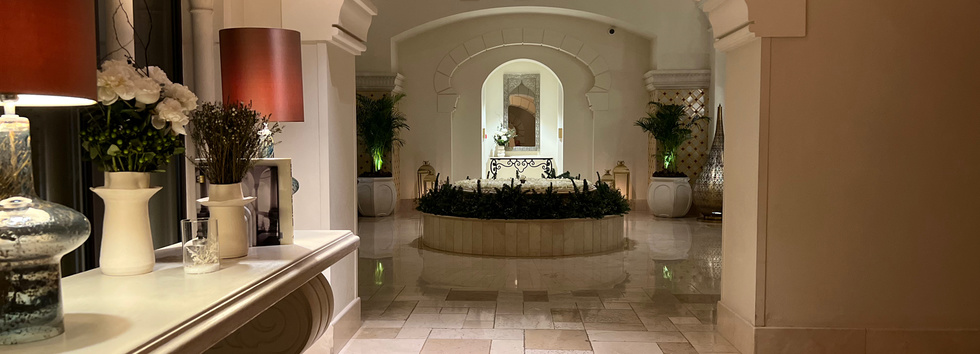
Cleaning public areas in hotels is a key element that shapes the overall impression of guests' stays. The cleanliness of lobbies, sanitary zones, and hotel grounds directly affects the perception of service quality. That's why cleaning of common areas in hotels must be organized at the highest level.
Public areas are zones that guests and other visitors to the hotel can use throughout the day. These include:
As in other areas, work in public spaces is divided into daily, weekly, monthly, and periodic tasks.
Daily tasks: include dusting, emptying ashtrays and trash cans, arranging flowers, vacuuming carpets, mopping hard floors, removing marks from glass, and cleaning restroom areas—which should be checked regularly throughout the day.
Weekly and monthly tasks: including washing or deep cleaning floors, cleaning walls, fixtures, washing and polishing woodwork, including wooden furniture.
Periodic tasks: Focus on items or areas that are not cleaned on a regular basis. These are heavier maintenance tasks such as wall washing, floor cleaning, carpet shampooing, resealing or repolishing floors, and cleaning exterior windows. Many of these tasks are performed by maintenance staff or external contractors.
Developing and maintaining cleaning procedures for public areas is no less important than for rooms but is much less standardized. Cleaning needs for public areas differ significantly between properties due to architectural differences, lobby space distribution, types of activities, and guest flow.
In most cases, cleaning rooms where food and beverages are served is a partnership between cleaners and food service staff, with managers of each section agreeing on their cleaning responsibilities.
For example, in a lounge bar, F&B staff are responsible for caring for tables, cushions, sofas, and the bar area, while housekeeping staff vacuum, polish brass fixtures, clean windows, and care for plants.
Mainly, F&B area cleaning is done during off-peak hours or at night when demand is lowest.
It's important for the Executive Housekeeper to track special events at the hotel, such as conferences and events, as these create increased cleaning demand.
In these areas, duties include vacuuming, floor polishing, arranging cushions, wiping tables, polishing mirrors, plant care, emptying trash cans and ashtrays, and polishing brass fixtures.
This area is the "first and last impression" for most visitors, so it's crucial that it's always clean and presentable. The appearance of the driveway and entrance is also important, so wiping hand marks from doors, sweeping leaves, and picking up trash are some of the tasks that need to be done.
Cleaners clean elevators preferably early in the morning to avoid the rush. They stop the elevator on the ground floor, hold the doors open, and then clean it starting from the top and working down.
Pool cleaning is especially important in summer. It can be done by the hotel if it has its own specialists, or by contract with an agency. Pool cleaning includes collecting leaves, water purification, and cleaning areas around the pool, including showers and changing rooms.
Nowadays, hotels maintain their own team of gardeners. This team handles watering and pruning trees and shrubs, fertilizing plants, raking autumn leaves, and arborsculpture (the art of shaping trees into amazing forms).
The parking area is one of the first zones hotel guests encounter, so its condition directly affects the first impression. The area must be well-maintained, clean, and safe. Daily tasks include sweeping, trash and leaf removal, and removing dust and cobwebs from hard-to-reach places, such as under parking canopies.
In bad weather, dirt, puddles, and sand can accumulate in the parking area, so these areas require special attention and more frequent cleaning. Regular inspection of surfaces helps identify damage or defects in time to prevent incidents.
Such simple actions help not only maintain cleanliness but also build a high service standard in the eyes of guests.
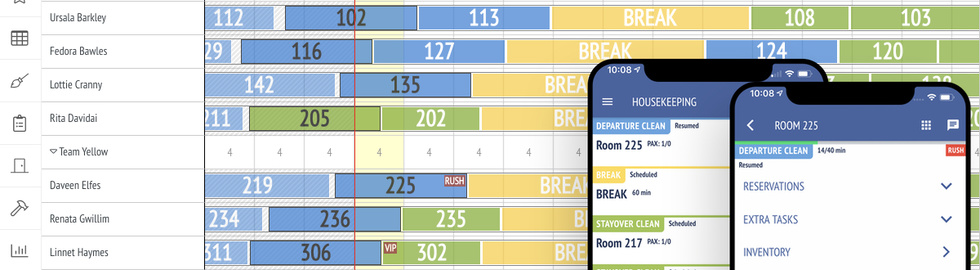
Even perfectly designed cleaning schedules need execution monitoring. Manual monitoring isn't always effective, especially with a large volume of premises and shift schedules.
Automating quality control of public area cleaning in hotels allows for timely tracking of task completion, documenting problems, and preventing guest complaints. By using specialized systems, you can:
The CELLYPSO Housekeeping Management System offers built-in tools for cleaning quality control, including automatic staff notifications, inspection checklists, and analytics by zones and employees.
Cleanliness at the reception and other public spaces is not just visual comfort but also an indicator of overall service level.
Cleanliness in public spaces of the hotel—from the reception area to walking paths—plays an important role in maintaining a high level of service.